Overview
The surgery works on the surface muscles of the eye, not inside the eyeball. Using the measurements from your evaluation, specific muscles are recessed, resected or repositioned. In children it is performed under general anaesthesia; many adults have it under local anaesthesia.
The goal is alignment — for binocular function, relief of double vision, and appearance. One operation usually improves alignment substantially; some deviations need more than one stage. Realistic expectations are discussed beforehand.
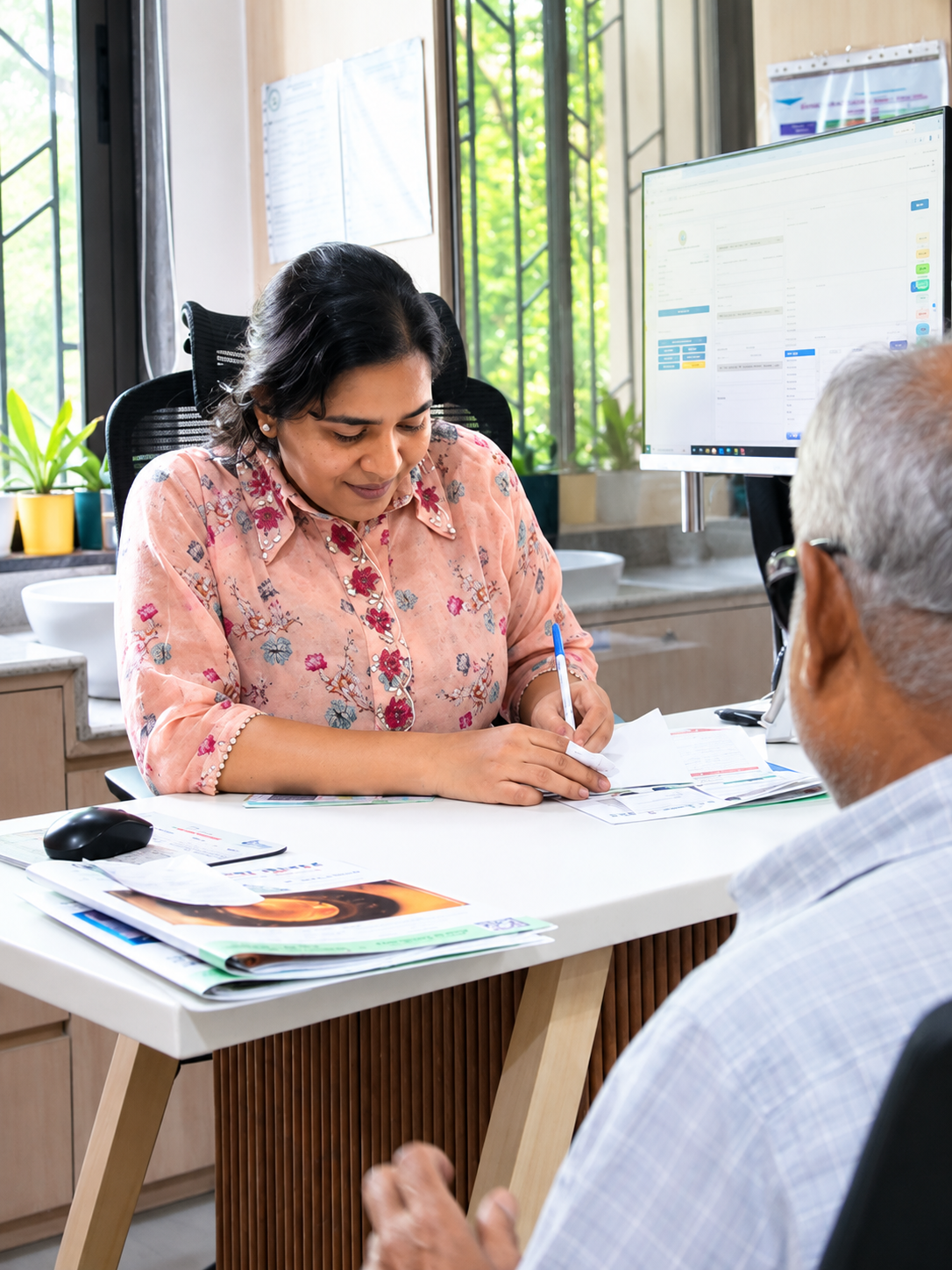
Educational image only. It is not a photograph of a patient, procedure, or hospital facility.
Common Symptoms
- Misalignment persisting after non-surgical steps
Possible Causes
- Muscle imbalance confirmed by evaluation
Risk Factors
- Suitability is assessed individually
When to Consult
Surgery is discussed when evaluation shows a deviation that glasses and therapy cannot align.
Evaluation Process
- Complete alignment measurements
- Anaesthesia fitness (for children)
- Consent discussion with expected outcomes and risks
Available Management Options
- Recession / resection / repositioning of eye muscles
- Adjustable sutures in selected adults
- Post-operative drops and review
The right option for you depends on examination findings and will be discussed before any treatment.
Follow-Up Information
Early review checks healing and alignment; later reviews confirm stability. Children continue amblyopia and glasses care as needed.
Frequently Asked Questions
Discuss This with Dr. Khushbu Partani
Consultations at Shree Retina Eye Hospital, Raipur. Your requested date and time are subject to confirmation by the appointment team.
Medically reviewed by Dr. Khushbu Partani · Last reviewed: September 2026 — VERIFY REVIEW DATE WITH DOCTOR BEFORE PUBLISHING