Overview
Unlike adult cataract, a child’s cataract matters not only because it blocks vision, but because a developing brain needs clear images to learn to see. A dense cataract in early childhood can lead to amblyopia (lazy eye) if not addressed in time.
Signs can include a whitish reflex in the pupil, eyes that wander, or a baby who does not seem to fix on faces. Management ranges from careful monitoring to surgery followed by glasses or contact lenses and patching therapy — always individualised to the child’s age and the cataract.
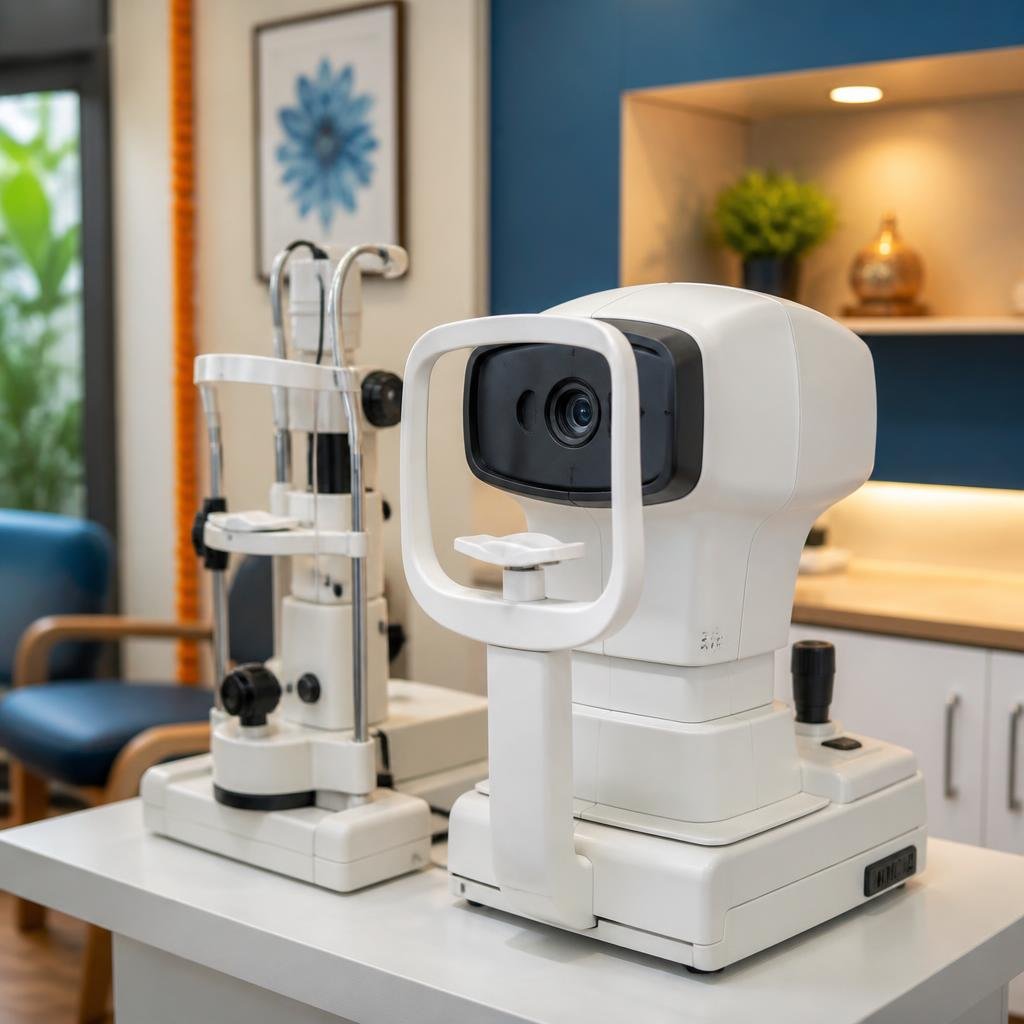
Educational image only. It is not a photograph of a patient, procedure, or hospital facility.
Common Symptoms
- White or grey reflex in the pupil in photos
- Baby not making eye contact or following faces
- Wandering or crossed eyes
- Nystagmus (to-and-fro eye movements)
- Older child complaining of cloudy vision
Possible Causes
- Present at birth (congenital), sometimes genetic
- Associated with certain infections or metabolic conditions
- Eye injury
- Often no clear cause is found
Risk Factors
- Family history of congenital cataract
- Certain infections during pregnancy
- Prematurity
When to Consult
Any white pupil reflex, suspected poor vision in a baby, or new eye misalignment should be examined promptly — early assessment protects developing vision.
Evaluation Process
- Age-appropriate vision assessment
- Pupil and lens examination
- Eye pressure and retinal evaluation
- Assessment for associated conditions
- Anaesthesia evaluation if surgery is planned
Available Management Options
- Monitoring for small, visually insignificant cataracts
- Cataract surgery when the cataract threatens visual development
- Glasses or contact lens correction after surgery
- Amblyopia (patching) therapy and long-term follow-up
The right option for you depends on examination findings and will be discussed before any treatment.
Follow-Up Information
Children need regular long-term follow-up as the eye grows — vision, glasses and eye alignment are reviewed repeatedly through childhood.
Frequently Asked Questions
Discuss This with Dr. Khushbu Partani
Consultations at Shree Retina Eye Hospital, Raipur. Your requested date and time are subject to confirmation by the appointment team.
Medically reviewed by Dr. Khushbu Partani · Last reviewed: September 2026 — VERIFY REVIEW DATE WITH DOCTOR BEFORE PUBLISHING