Overview
Inside each eye sits a clear natural lens that helps focus light. With age — and sometimes earlier — this lens can become cloudy. This clouding is called a cataract. Vision may slowly become blurred, colours may look faded, and bright lights may cause glare.
Cataract is not a disease that spreads, and it is not caused by "overusing" the eyes. Whether and when treatment is needed depends on how much the cataract affects your everyday activities. An examination helps clarify the stage of the cataract and the options available to you.
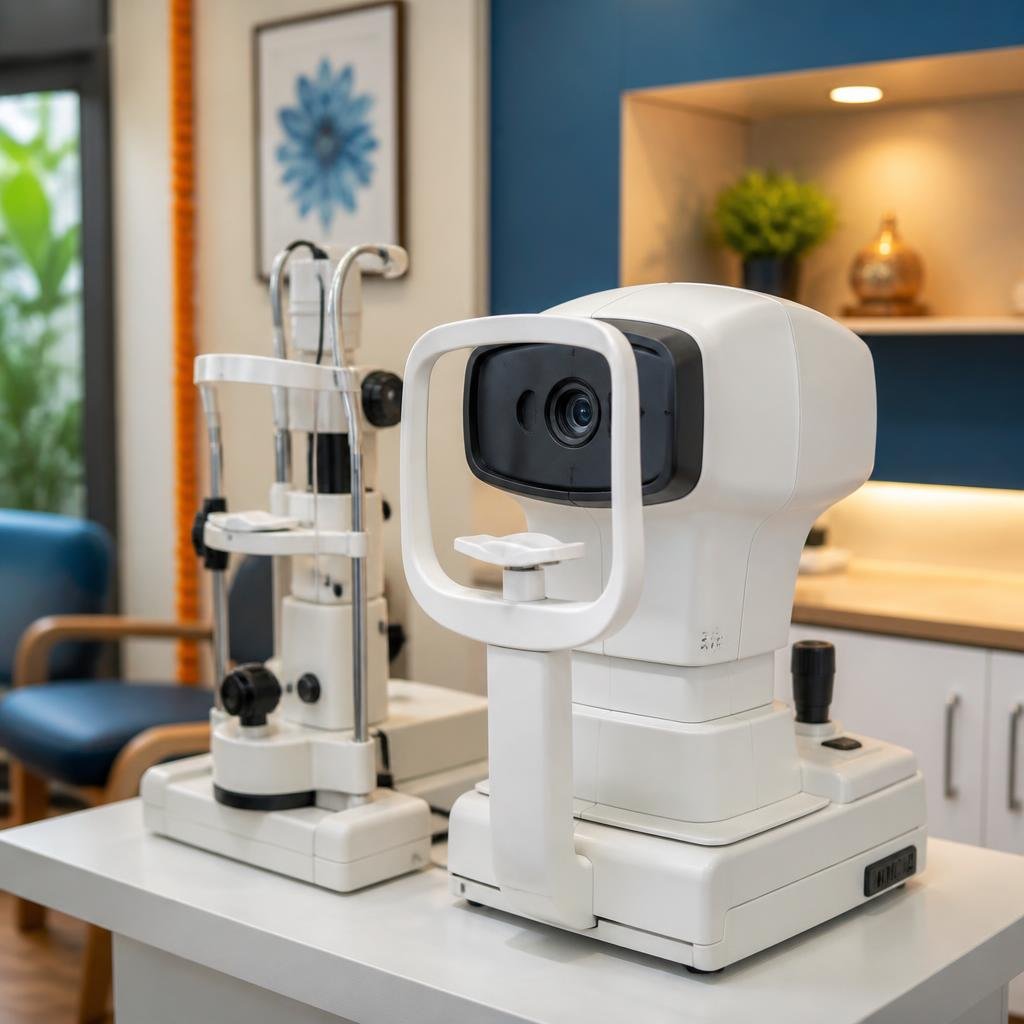
Educational image only. It is not a photograph of a patient, procedure, or hospital facility.
Common Symptoms
- Cloudy or blurred vision
- Glare or halos around lights
- Difficulty seeing at night
- Faded or yellowed colours
- Frequent change in glasses power
- Double vision in one eye
Possible Causes
- Age-related change in the natural lens (most common)
- Diabetes and certain other medical conditions
- Long-term use of some medicines, such as steroids
- Eye injury or previous eye surgery
- Present from birth or childhood (pediatric cataract)
Risk Factors
- Increasing age
- Diabetes
- Smoking
- Prolonged sunlight exposure without eye protection
- Family history of cataract
- Previous eye injury or inflammation
When to Consult
Consider an eye examination if blurred or cloudy vision is making reading, driving, recognising faces or daily tasks harder — or if your glasses no longer seem to help. Sudden vision loss, pain or flashes of light should be checked urgently.
Evaluation Process
- Detailed discussion of your vision difficulties and medical history
- Vision testing and glasses check (refraction)
- Slit-lamp examination of the lens
- Dilated examination of the retina
- Measurements for lens power if surgery is being considered (biometry)
Available Management Options
- Updated glasses in early stages, when helpful
- Guidance on lighting and visual aids
- Cataract surgery when clouding interferes with daily life
- Lens (IOL) selection counselling based on your eye measurements and lifestyle
- Care for co-existing eye conditions before and after surgery
The right option for you depends on examination findings and will be discussed before any treatment.
Follow-Up Information
If surgery is performed, follow-up visits check healing, eye pressure and vision. Most people are advised on eye drops, activity precautions and a final glasses check. Your exact schedule depends on your eye and will be explained to you.
Frequently Asked Questions
Discuss This with Dr. Khushbu Partani
Consultations at Shree Retina Eye Hospital, Raipur. Your requested date and time are subject to confirmation by the appointment team.
Medically reviewed by Dr. Khushbu Partani · Last reviewed: September 2026 — VERIFY REVIEW DATE WITH DOCTOR BEFORE PUBLISHING